/filters:format(jpeg,png)/fit-in/300x300/guide_websites/82105/images/prenuptialagreementsportfishinglogo.png)
/filters:format(jpeg,png)/fit-in/237x80/guide_websites/82105/images/prenuptialagreementsportfishinglogo.png)
Fishing Charter Dining in San Diego with Captain Edwin
Fishing in San Diego - What to Expect
%2F%2Fusers%2F53f1b2c5-d7d5-404a-b037-e5c718128a25%2Fimages%2Fsan-diego-fishing-cruise-dinner-2584.jpeg&w=1920&q=75)
Fishing Activity Charter by Captain Edwin Paunetto in May

- Experience The Best San Diego Sportfishing Charter


Summary
Join Captain Edwin Paunetto on a Fishing Activity Charter in San Diego this May for an unforgettable day on the water. This charter combines excellent fishing opportunities with restaurant-quality dining, featuring grilled steaks and fresh salads prepared right on the boat. Whether you're after toadfish or exploring San Diego's rich marine life, you'll experience the local waters with a seasoned guide who knows every detail of these coastal waters.
Fishing Activity Charter with Captain Edwin Paunetto - Rates & Booking
Captain Edwin Paunetto of Prenuptial Agreement Sport Fishing takes anglers out on Wednesday, May 13th for an authentic San Diego fishing experience. This Fishing Activity Charter includes everything you need for a full day on the water, with meals prepared fresh aboard. The captain brings years of local expertise to every trip, knowing the best spots and techniques for the waters around San Diego.
To book your charter and check current rates, contact Prenuptial Agreement Sport Fishing directly. Captain Edwin works with small groups to ensure personalized attention and the best fishing experience possible. Meals are included with your charter, so you can focus on the catch while enjoying quality time on the boat.
Highlights of Your Fishing Charter
What sets this charter apart is the full-service experience. You're not just fishing - you're getting a complete day that includes excellent meals prepared right aboard. After hours on the water, there's nothing quite like fresh grilled steaks and crisp salad to fuel your adventure and celebrate your catches.
The San Diego waters around this charter's usual grounds are home to diverse species, including oyster toadfish and other local favorites. Captain Edwin's knowledge of seasonal patterns and prime fishing locations means you'll spend your time where the action is, not searching for fish.
Local Species Insights: Oyster Toadfish
The oyster toadfish is a fascinating species found in San Diego's coastal waters. These fish are known for their interesting behavior and adaptability to various marine environments. They're often found around structure and reefs, making them an exciting catch for anglers exploring what San Diego's waters have to offer.
These toadfish thrive in the rocky and sandy bottom habitats that make San Diego's fishing grounds so productive. Their presence indicates healthy, diverse ecosystems where you'll encounter a variety of species throughout your day. Fishing in these waters gives you a real sense of the marine life that makes the San Diego coast special.
Captain Edwin understands the habits and habitats of local species like the oyster toadfish, which helps him position the boat and guide your techniques for the best results. His experience reading the water and understanding seasonal movements means consistent, productive fishing days.
On the Water Experience
A day with Captain Edwin means being out in San Diego's beautiful coastal environment, where the Pacific meets some of California's most productive fishing grounds. The charter boat is set up for both serious fishing and comfort, with everything you need to land fish and relax between action.
The experience combines the thrill of the catch with the natural beauty of San Diego's waters. You'll notice the variety of marine life, the coastal landscape, and the genuine atmosphere of a working fishing charter. It's the kind of day where you're completely focused on the fishing while also soaking in the experience of being on the water with someone who truly knows this area.
Whether this is your first charter or your twentieth fishing trip, there's something special about combining excellent fishing with good food and the guidance of a captain who cares about delivering a memorable day. That's what Prenuptial Agreement Sport Fishing is about.
Fishing Activity in San Diego: Oyster Toadfish
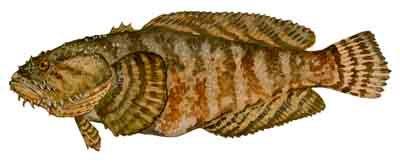
Oyster Toadfish Overview
The Oyster Toadfish (Opsanus tau, family Batrachoididae, order Batrachoidiformes) is one of the most distinctive and polarizing fish species you'll encounter along the Atlantic coast. Known by colorful nicknames—the ugly toad, oyster cracker, oyster catcher, and bar dog—this bottom-dwelling oddity looks more like something from a fantasy tale than a typical gamefish. With their scaleless, mucus-covered bodies, bulging eyes, prominent whiskers (barbels) on their cheeks, and mouths full of strong, rounded teeth, Oyster Toadfish truly resemble their namesake toad. What makes them particularly noteworthy for anglers and coastal enthusiasts is their remarkable resilience, their presence around Chesapeake Bay year-round, and their hidden defense mechanism: a venomous spine on the first dorsal fin that packs a sting comparable to a bee or wasp. Despite their intimidating appearance and painful venom, these fish are edible, have been studied by NASA, and remain a fascinating encounter for anyone exploring shallow coastal waters from Maine to Florida.
Oyster Toadfish Habitat and Distribution
Oyster Toadfish are bottom-dwellers found in abundance throughout the Chesapeake Bay, particularly in the middle and lower bay areas, where they thrive year-round. These fish favor dark, secluded places and are commonly discovered around oyster reefs, shipwrecks, rocky debris, and other complex bottom structures where they can hide and hunt. During warmer months, they inhabit shallow waters close to shore; as winter approaches, they retreat to deeper channels seeking more stable conditions. Their geographic range extends along the entire Atlantic seaboard from Maine down to Florida, making them a consistent presence for coastal anglers and nature observers. What's remarkable is their tolerance for poor environmental conditions—they can survive in polluted, littered water and even endure extended periods out of water, allowing them to persist in habitats where many other species cannot.
Oyster Toadfish Size and Weight
Oyster Toadfish typically measure between 12 to 16 inches in length, with exceptional individuals occasionally reaching up to 17 inches, though this is uncommon. Their weight generally ranges from 3 to 5 pounds, with larger specimens pushing toward the upper end of that range. Their compressed, flattened body shape combined with their scaleless skin gives them a deceptively stocky appearance—they may look heavier than they actually are. The largest eggs relative to body size in the Chesapeake Bay belong to the Oyster Toadfish, a fascinating reproductive adaptation that speaks to their breeding strategy in shallow, rocky environments.
Oyster Toadfish Diet and Behavior
As omnivores, Oyster Toadfish are opportunistic feeders with diverse palates. Their common prey includes crustaceans, mollusks, amphipods, squid, and smaller fish species, making them aggressive hunters despite their bottom-dwelling lifestyle. They are known for their snapping jaws and will readily strike at an angler's bait with surprising speed and ferocity. Behaviorally, they are territorial creatures that stake out rocky crevices and debris piles, emerging to feed and then retreating to their hideouts. They are primarily nocturnal hunters, becoming more active during low-light conditions. Their thick mucus coating protects them from rough environments and predators, while their ability to make audible grunting and barking sounds using special muscles on their pectoral fins adds another layer to their unusual nature. Anglers often encounter them accidentally while targeting other species, but once hooked, they fight hard and snap aggressively, making them a memorable—if not always welcome—catch.
Oyster Toadfish Spawning and Seasonal Activity
Oyster Toadfish spawn during the warmer months, typically from late spring through early fall, with peak activity during summer. They are highly parental fish—the male guards eggs and young fry in nesting sites within rocky crevices and debris, a behavior uncommon in many fish species. This reproductive strategy ensures higher survival rates for their unusually large eggs. Seasonally, these fish shift their habitat based on water temperature: in warmer months, they move into shallow waters near shore where food is abundant and breeding occurs; as water cools in autumn and winter, they migrate to deeper channels where temperatures remain more stable. This seasonal migration pattern is predictable enough for anglers and researchers to anticipate where to find them throughout the year. Their presence in the Chesapeake Bay remains consistent year-round, though specific locations shift with the seasons.
Oyster Toadfish Techniques for Observation or Capture
Technique 1: Live or Cut Bait in Shallow Wrecks and Reefs
The most effective method for catching Oyster Toadfish is using fresh bait in their preferred habitats. Cut squid, clams, bloodworms, and peeler crabs are all excellent choices that trigger aggressive strikes. Fish these baits on the bottom near oyster reefs, rocky debris, or shipwrecks in shallow water (5–15 feet) during daylight or low-light periods. Use a simple bottom rig with a sinker and short leader; no fancy presentation is needed. These fish will take bait rapidly and decisively. Around the Chesapeake Bay and Maryland's lower Eastern Shore, targeting areas near old dock pilings and oyster restoration zones yields consistent results.
Technique 2: Exploration of Dark Hideouts
Since Oyster Toadfish favor dark, secluded places, snorkeling or diving in shallow rock fields and wreck areas can reveal their presence. Look for them tucked into crevices and under debris. Night diving or snorkeling with a light often makes them more visible and active. This observation technique is ideal for naturalists and photographers wanting to study behavior without the stress of capture.
Technique 3: Night Fishing with Small Hooks
Fishing after dark near shallow oyster beds and rocky shores with small hooks baited with bloodworms or small crustaceans can yield excellent results. Use a headlamp to light your area and watch for aggressive takes. This approach is particularly productive from May through September when water temperatures are warmest and feeding activity peaks.
Oyster Toadfish Culinary and Utilization Notes
Yes, Oyster Toadfish are technically edible, but they are rarely consumed, primarily due to their unappealing appearance and the lack of consumer demand. Their flesh is reported to be firm and white, similar to other bottom-dwelling species, but the psychological barrier of their toad-like features and off-putting exterior has kept them off most dinner tables. Historically, some Chesapeake Bay fishermen and coastal communities have utilized them, but modern culinary interest remains minimal. From a sustainability perspective, they are so abundant and resilient that removing them has little ecological impact. Their primary value today lies in their ecological role as bottom-dwelling predators and in scientific research—notably, NASA selected the species for space studies in 1998 to investigate how microgravity affects the development of otolithic organs (balance structures in the inner ear), making them valuable contributors to human space exploration research.
Oyster Toadfish Frequently Asked Questions
Q: What is the best bait for catching Oyster Toadfish?
A: Cut or fresh squid, clams, bloodworms, and peeler crabs are all highly effective. These fish are aggressive feeders and will strike quickly at nearly any fresh bait. The key is fishing on the bottom in rocky or debris-filled areas where they hide and hunt.
Q: Where can I find Oyster Toadfish near the Chesapeake Bay?
A: Look for them in the middle and lower bay areas year-round, particularly around oyster reefs, shipwrecks, rocky outcrops, and old dock structures. In warmer months (May–September), explore shallow nearshore waters; in winter, focus on deeper channels and drop-offs.
Q: Are Oyster Toadfish dangerous to handle?
A: Yes—exercise caution. They have powerful, snapping jaws and a venomous spine on the first dorsal fin that can deliver a sting comparable to a bee or wasp. Always handle them carefully, preferably with gloves, and avoid touching the dorsal fin. If stung, treat it like any other minor sting: flush with warm water and consider anti-inflammatory treatment.
Q: Is Oyster Toadfish good to eat?
A: While technically edible with firm white flesh, they are rarely eaten due to their off-putting appearance and lack of culinary demand. They are more valuable as ecological players and subjects of scientific research than as food.
Q: When is the best time to catch Oyster Toadfish?
A: May through September offers peak activity and shallow-water access. Night fishing often produces better results than daytime. They are present year-round in the Chesapeake Bay, but summer and early fall provide the most productive and accessible fishing opportunities.
Q: What makes Oyster Toadfish unique compared to other fish?
A: Their resilience in poor water conditions, their large eggs (the largest of any Chesapeake Bay fish), their venomous dorsal spine, their distinctive toad-like appearance, their parental care behavior, and their role in NASA space research all make them remarkable. They're living fossils of sorts—ugly, tough, and utterly fascinating.