

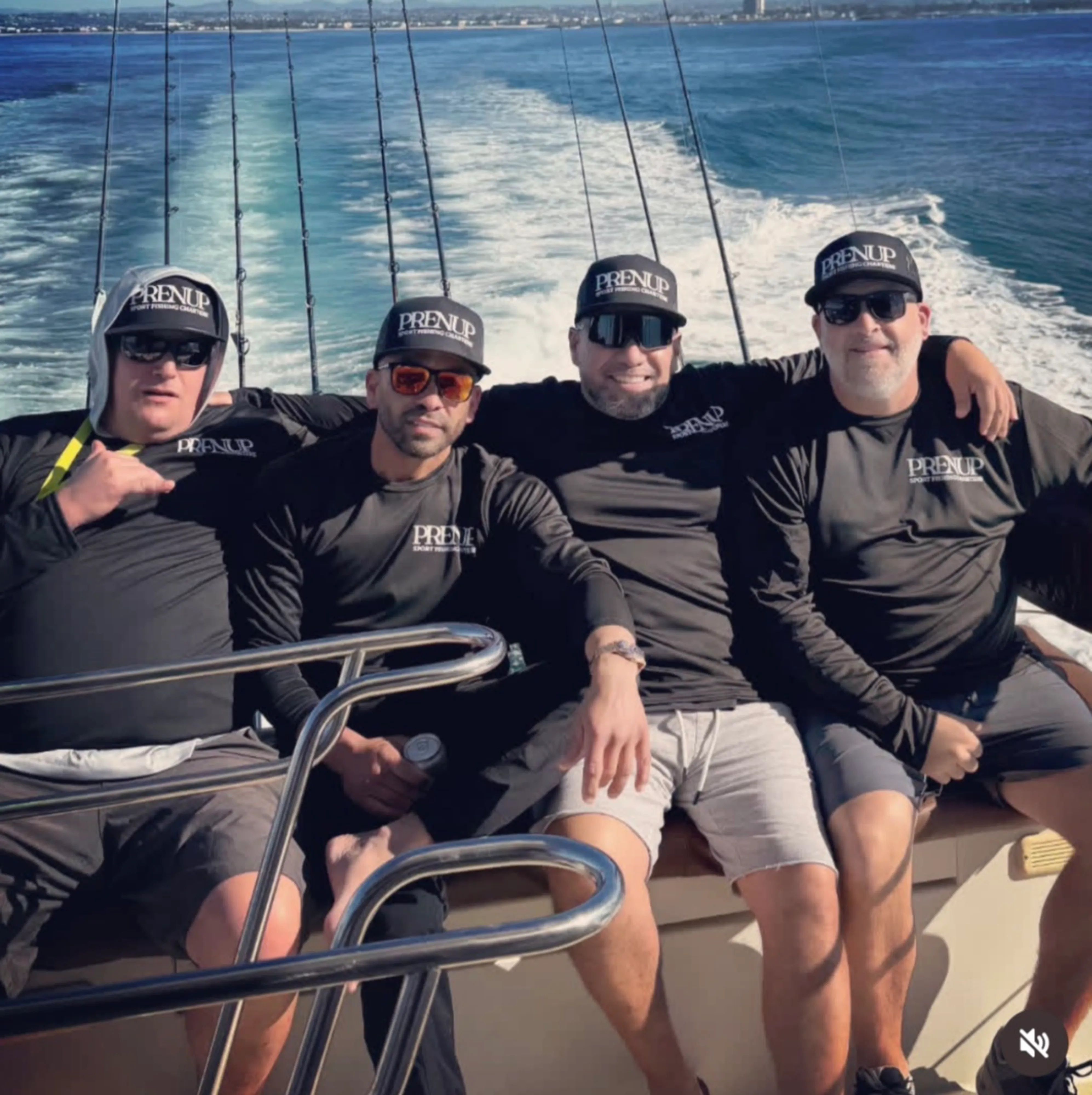


Multi-Day Offshore Charter: Where Giants Roam
 San Diego
What you will be catching:
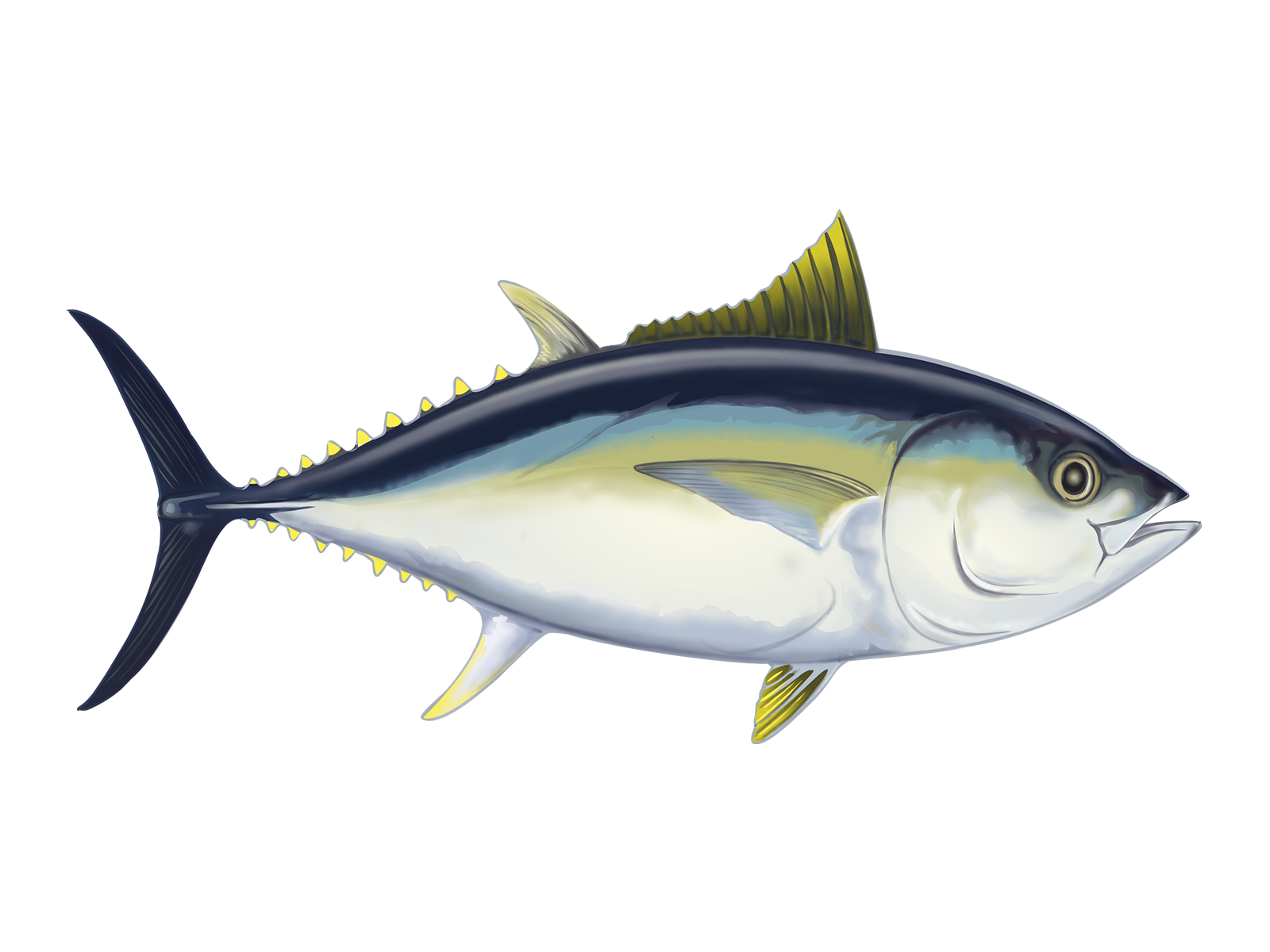 Bigeye Tuna
 Bluefin Tuna
 Swordfish
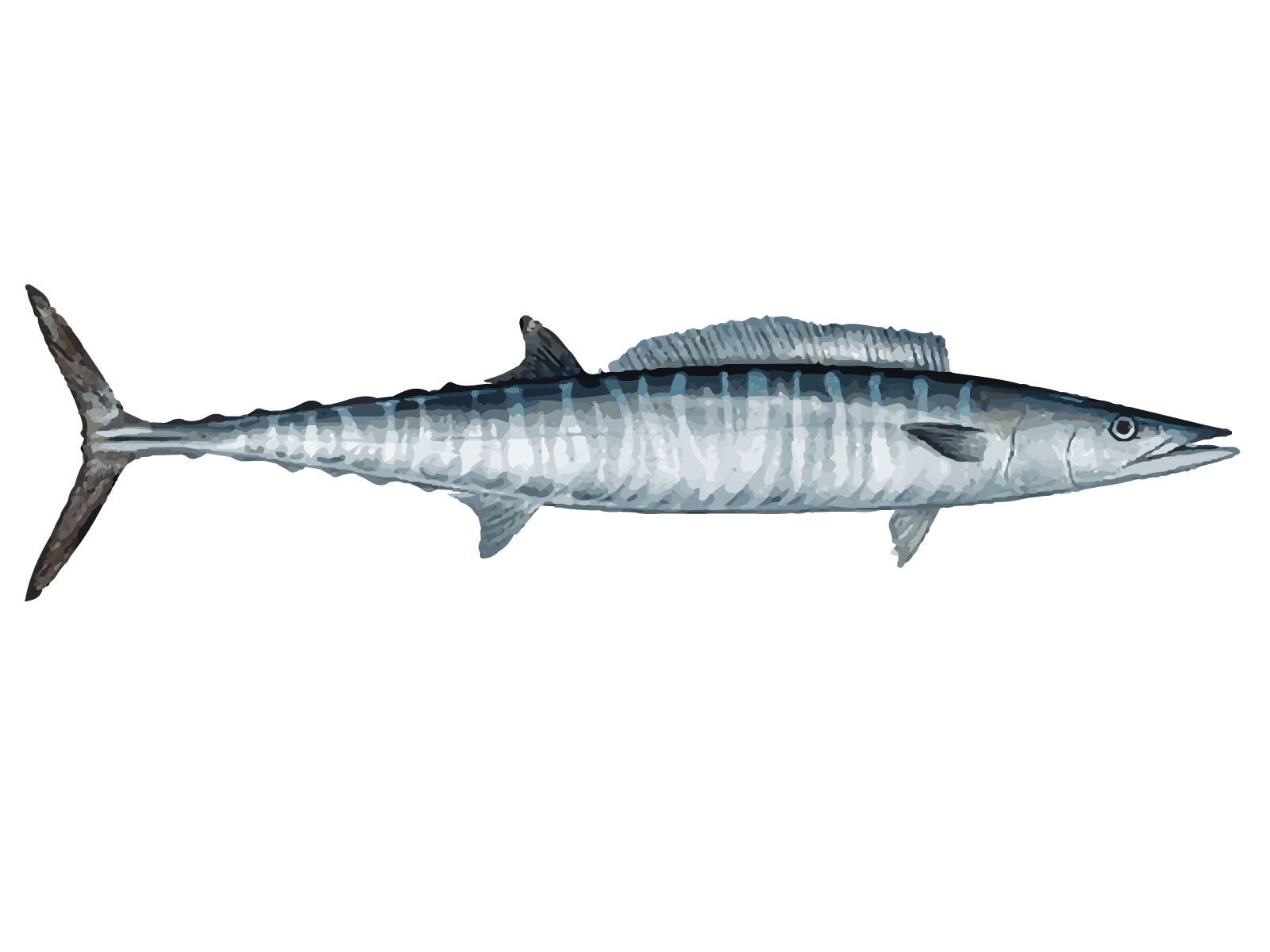
 Wahoo Fish
 Yellowfin Tuna
- 5.5-day offshore charter targeting pelagic gamefish in San Diego waters
- Extended trips provide access to distant fishing grounds beyond day boats
- Small 6-guest capacity ensures personalized fishing experience
Trip Pricing and Availabilities:
Multi-Day Offshore Charter: Where Giants Roam
San Diego's offshore waters hold some of Southern California's most productive fishing grounds, but the real action happens where single-day boats can't reach. This 5.5-day extended bluewater charter with Prenuptial Agreement Sport Fishing gives you the range and time to hunt down pelagic gamefish in their prime habitat. Instead of watching the clock for the run back to port, you'll follow temperature breaks, current edges, and bait schools wherever they lead. With just 6 anglers aboard, everyone gets premium fishing time when the bite heats up. This is fishing the way it should be – following the fish, not the schedule.
What to Expect on the Water
Five and a half days offshore means your crew can cover serious ground chasing the bite. You'll start by running to productive waters that day boats simply can't reach, then adjust your strategy based on what the ocean shows you. Maybe that means following a kelp paddy loaded with dorado, or staying on a temperature break where tuna are feeding. The beauty of an extended trip is flexibility – if the fish are biting, you stay with them. Your captain reads water temperature, current, and bait activity to put you on fish consistently. Mornings often start before dawn, positioning over structure or tracking down bird activity that signals feeding fish below. With no rush to head home, you fish until conditions or fish activity dictate otherwise. Expect long days on the water, but that's when the magic happens – when other boats are heading in, you're still hunting.
Techniques & Tackle
Offshore fishing demands versatility, and your crew will adjust techniques based on conditions and target species. High-speed trolling covers water fast when hunting scattered fish, pulling feathers, cedar plugs, and larger lures at 8-12 knots to trigger reaction strikes from tuna and wahoo. When you mark fish or find feeding activity, it's time to switch gears. Live bait fishing with sardines or mackerel gets finicky fish to bite, especially when they're keyed in on natural forage. Fly-lining bait into current seams or around structure puts your offering in the strike zone naturally. For deeper fish, sliding sinker rigs get bait down to where big bluefin and bigeye cruise. Heavy tackle is standard – 40-80 pound setups handle the initial runs these fish are known for, while lighter gear stays ready for times when fish are picky. Your crew knows when to switch from searching mode to fishing mode, and they'll have multiple rods rigged for different scenarios.
Species You'll Want to Hook
Wahoo might be the ocean's fastest fish, capable of blistering runs that can empty a reel in seconds. San Diego's offshore waters see wahoo year-round, with peak numbers from summer into early fall. They're structure-oriented, often found around seamounts and temperature breaks where baitfish concentrate. What makes wahoo special isn't just their speed – it's their unpredictability. They'll smash a trolled lure at 40 mph or refuse everything you throw at them. When one hits, you know it instantly. That first run is pure adrenaline, and their razor-sharp teeth mean you need wire leaders and quick reflexes.
Bigeye tuna are the night shift workers of the offshore world, often feeding deep during daylight hours before moving up as darkness falls. These fish grow massive – 200-pound bigeye aren't uncommon in San Diego waters, especially during fall and winter months. They're incredibly strong, using their bulk and stamina to test every part of your tackle. Bigeye fishing often means dropping bait deep or positioning over underwater structure where they hunt. The fight is different from other tunas – less speed, more power. They use their size to bulldoze toward the bottom, and every pump of the rod counts when you're trying to turn a big fish.
Yellowfin tuna bring both speed and endurance to the fight, making long runs followed by steady pressure that tests your technique. San Diego sees yellowfin from spring through fall, with fish ranging from 20-pound grade up to 100-plus-pound bruisers. They school by size, so when you find one, there are usually more around. Yellowfin respond well to live bait, especially when they're feeding on sardines or anchovies. The key is reading their behavior – sometimes they want bait dropped right into the school, other times you need to cast away from feeding fish and work your bait back to them.
Swordfish represent the ultimate offshore challenge, combining size, power, and the mystique of deep-water hunting. San Diego's swordfish bite has exploded in recent years, with both daytime deep-drop techniques and traditional night fishing producing fish. These apex predators can exceed 300 pounds and fight like nothing else in the ocean. Daytime swordfishing means dropping heavy jigs or bait down 1,000-2,000 feet, while night fishing brings them closer to the surface. The fight is legendary – powerful runs combined with aerial displays that showcase their incredible size. Landing a swordfish represents a pinnacle achievement for any offshore angler.
Bluefin tuna are the holy grail of West Coast fishing, combining incredible strength with impressive size and fighting ability. San Diego waters host both Pacific and Atlantic bluefin, with fish ranging from 40-pound "schoolies" up to 300-pound giants. Peak season runs from spring through early winter, but these fish are nomadic and follow bait and water conditions. Bluefin are incredibly smart, often requiring perfect bait presentation and light leaders to get a bite. Once hooked, they're pure power – long runs, deep dives, and the endurance to fight for hours. The combination of their rarity, size, and fighting ability makes every bluefin encounter special.
Time to Book Your Spot
Extended offshore charters don't come around often, and boats that can handle 5
Learn more about the animals
Bigeye Tuna
Bigeye tuna are the deep-water specialists of the tuna family, built to hunt in cold, low-oxygen waters down to 800 feet where other fish can't survive. They're hefty fish, commonly running 60-200 pounds, with those trademark large eyes and long pectoral fins. Unlike yellowfin, bigeye feed heavily at dawn and dusk when they move up in the water column. Summer months bring the best action when water temperatures are right. What sets them apart is their incredibly rich, fatty meat - it's the most valuable tuna by weight and rivals bluefin for sushi quality. These fish fight deep and hard, making long powerful runs that test your tackle. The key is fishing right at first light or just before dark with darker colored lures that stand out in dim conditions. Short, stocky 8-10 inch lures work best when they're feeding shallow.
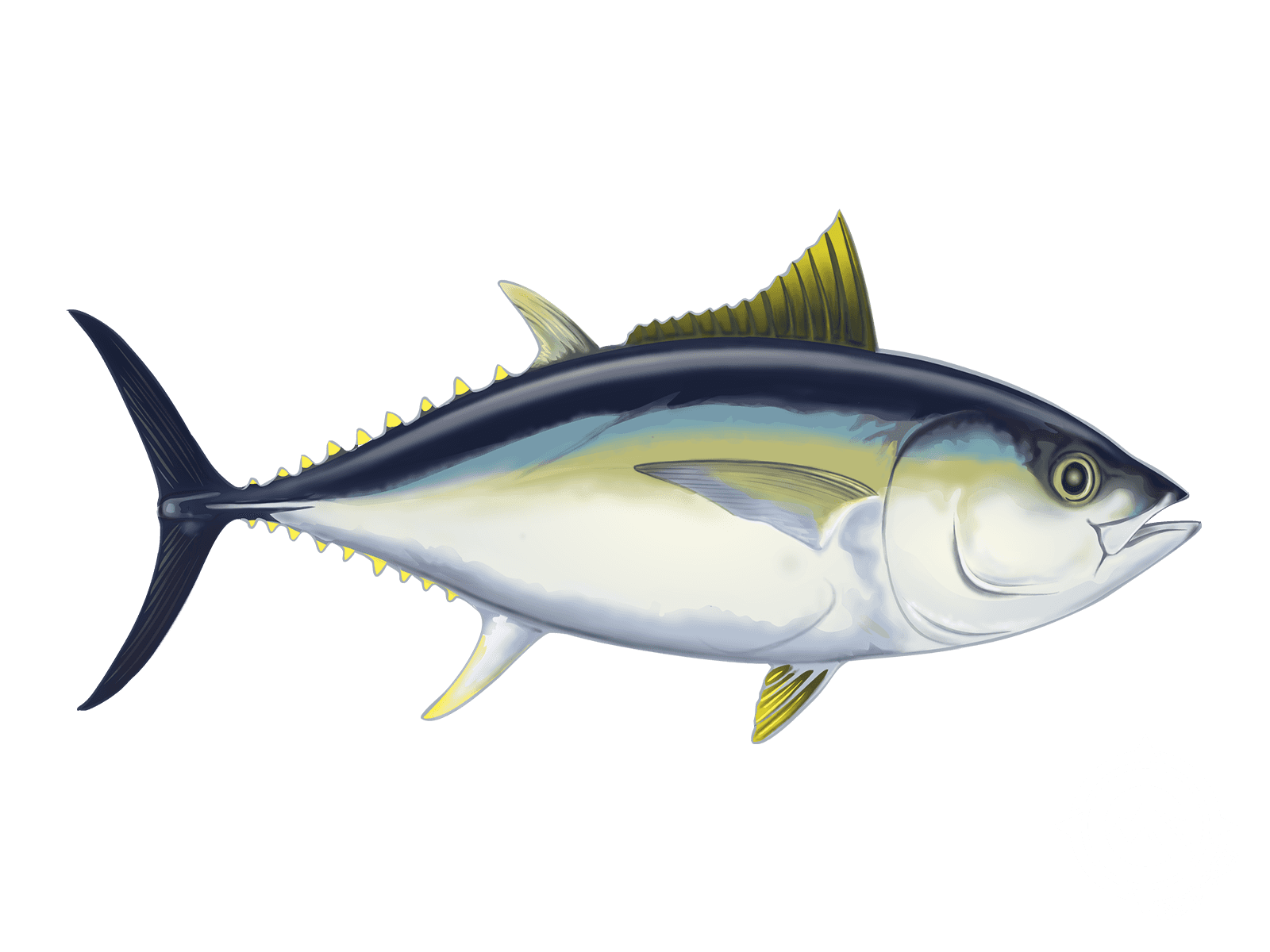
Bluefin Tuna
Bluefin tuna are the holy grail of tuna fishing - massive, powerful fish that can reach 400+ pounds and fight like nothing else in the ocean. These deep-bodied, torpedo-shaped fish are built for speed and endurance, with that distinctive dark blue back and smaller pectoral fins. They range from surface waters down to 1,000+ feet, following bait schools and temperature breaks. Best fishing is typically spring through fall, with morning and evening bites being most productive. What makes bluefin special is the combination of size, fight, and incredible meat quality - this is the premium sushi tuna that commands top dollar. They make blistering runs and deep dives that can last an hour or more. The trick is having the right tackle and patience. When targeting bluefin, use live bait like mackerel or squid, and be ready to chase the school since they move constantly while feeding.

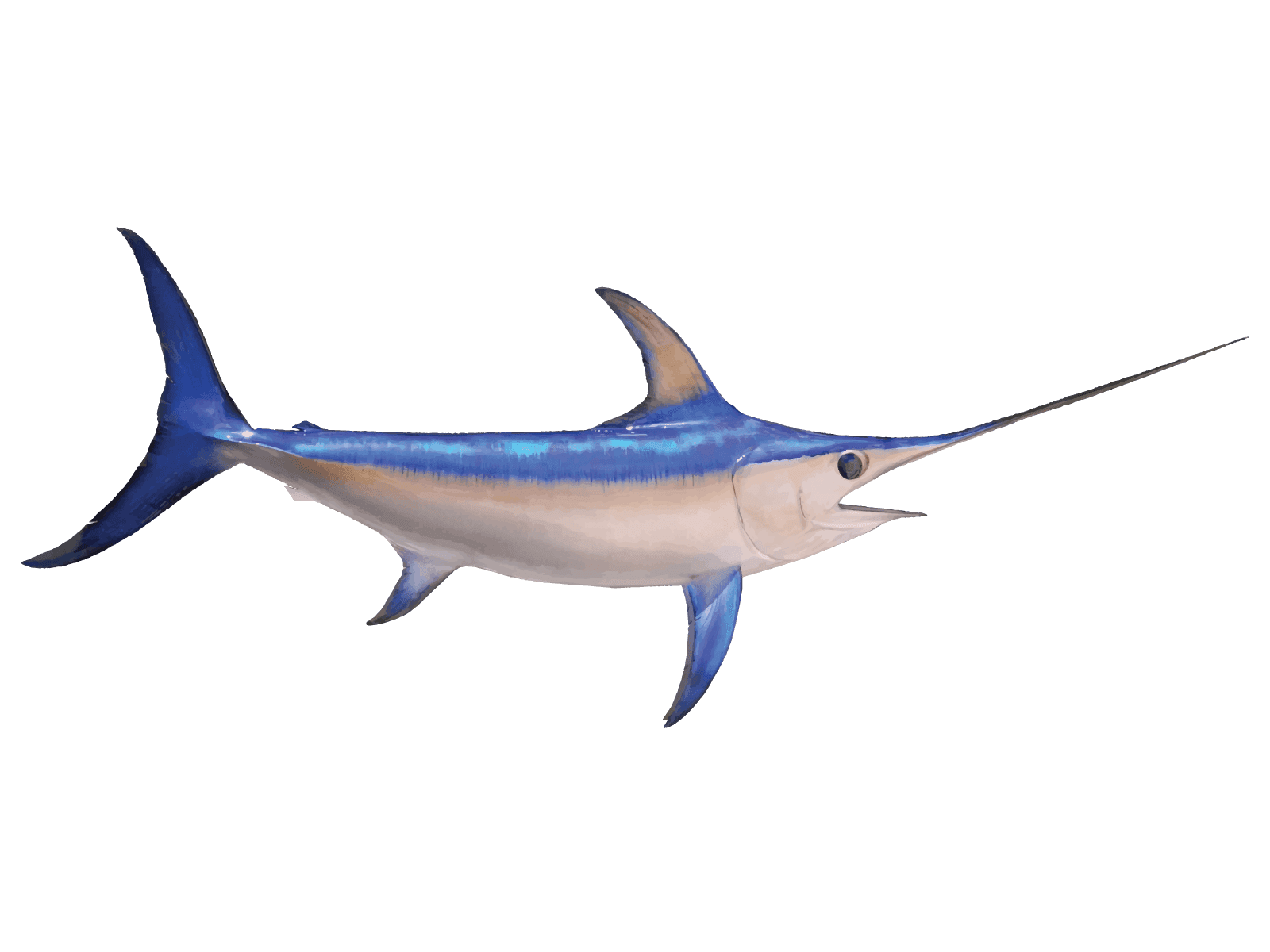
Swordfish
Swordfish are the deep-water gladiators of offshore fishing, averaging 400 pounds with that unmistakable flat sword and massive size. These fish live in 1,000+ foot depths during the day, coming up to 300 feet at night to feed. They're found year-round in our waters, but peak season is summer through early fall. What makes swordfish special is the challenge - it's technical fishing with heavy tackle, deep drops, and often night fishing under lights. The payoff is huge: incredible fights from powerful fish and some of the best eating in the ocean, firm and meaty. Most fish are caught by deep-dropping squid or fish chunks on heavy sinkers, but daytime swordfishing is gaining popularity. Key tip: use multiple light sticks on your rig and fish right on the bottom in 1,200-2,000 feet. When one picks up your bait, give it time to turn the bait before setting the hook.
Wahoo Fish
Wahoo are one of the ocean's fastest predators, hitting speeds up to 60 mph with their torpedo-shaped bodies. These sleek fish average 3-5 feet but can stretch over 8 feet, with that distinctive blue back and silver sides marked by dark bars. You'll find them in open water, usually in the top 60 feet, often around floating debris or temperature breaks. They're solitary hunters most of the time, though small groups form during spawning. The bite is best during cooler months when they move closer to shore. What makes wahoo special is that lightning-fast strike and the incredible runs they make - plus the meat is outstanding, flaky and mild like premium mahi. Pro tip: troll fast at 12-15 knots with wire leaders since those razor-sharp teeth will slice through anything else in seconds.
Yellowfin Tuna
Yellowfin are the workhorses of offshore fishing - fast, aggressive, and always ready to eat. These bright yellow-finned torpedoes average 60 pounds but can push over 400, with that classic metallic blue back and silver belly. They cruise the upper 300 feet of water, often mixed with dolphins or following temperature breaks. Peak season runs spring through fall when water temps are warm. What makes yellowfin special is their willingness to hit everything - trolled lures, poppers, jigs, you name it. They're also fantastic eating, firm and meaty like premium steaks. The fight is pure power with long screaming runs that'll test your drag. When you mark fish deep but they won't bite on the troll, try switching to vertical jigs - sometimes they just want something falling through the water column rather than moving horizontally.

About the Hatteras Sportfishing

Vehicle Guest Capacity: 12
Manufacturer Name: Detroit Diesel 12V92
Maximum Cruising Speed: 30
Number of Engines: 2
Horsepower per Engine: 20