/filters:format(jpeg,png)/fit-in/300x300/guide_websites/82105/images/prenuptialagreementsportfishinglogo.png)
/filters:format(jpeg,png)/fit-in/237x80/guide_websites/82105/images/prenuptialagreementsportfishinglogo.png)
Fishing Around Catalina Island for Bluefin Tuna
%2Ffit-in%2F1000x1000%2Ffilters%3Aformat(webp)%2Fguide_websites%2F82105%2Fimages%2F1769463250172img_4242.jpeg&w=1920&q=75)
Published: April 21, 2026
Fishing around Catalina Island for bluefin tuna offers a dynamic offshore experience shaped by changing conditions, seasonal movement, and active fish behavior. Anglers are drawn to this region for its access to productive waters where bluefin tuna appear in strong numbers during peak months.
Success here depends on timing, preparation, and understanding how tuna move and feed. From selecting the right trip window to adapting techniques on the water, every decision plays a role in improving your chances while fishing around Catalina Island.
What Makes Catalina Island Unique for Bluefin Tuna Fishing
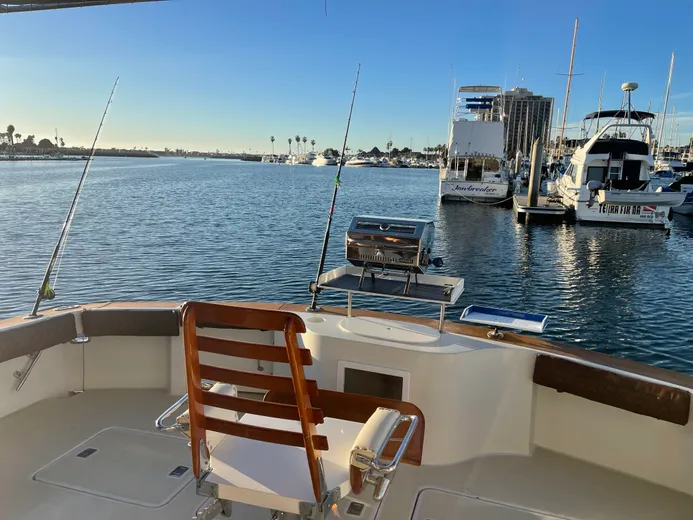
Fishing Catalina Island for bluefin tuna stands out because it offers a rare combination of accessibility and productive offshore conditions. Unlike areas that require long-distance runs, Catalina provides opportunities where tuna can sometimes be found within a manageable range, depending on seasonal movement and bait activity. The island’s position along active migration routes increases the chances of encountering bluefin during key windows.
At the same time, conditions around Catalina are constantly shifting due to channel currents and changing water temperatures. This creates a fishing environment that feels both accessible and genuinely offshore, requiring awareness and adaptability throughout the trip.
- Catalina offers a mix of near-island and offshore fishing opportunities
- Tuna can appear closer to the island compared to distant offshore zones
- Reduced reliance on long travel distances in favorable conditions
- Channel currents can quickly change fishing conditions and fish location
- A balance between convenience and a true offshore bluefin tuna fishing experience
How to Time Your Trip for Higher Success Rates
Choosing the best time for bluefin tuna Catalina Island trips plays a major role in overall success. Anglers who plan around recent fishing reports and current activity levels often see better results than those relying only on general season timelines. Summer months typically provide more consistent action, as stable weather and warmer water conditions support active tuna movement near Catalina.
Starting early in the day improves the chances of locating feeding schools before conditions change. Extended or multi-day trips can further increase opportunities, especially when tuna are moving across wider areas. Careful attention to weather windows is equally important, since rough offshore conditions can limit access and reduce effective fishing time.
How Bluefin Tuna Behavior Shapes Your Fishing Day
Understanding bluefin tuna behavior, Catalina helps anglers adjust quickly to changing patterns, improving timing, technique, and overall success while fishing around Catalina Island.
- Depth Changes: Tuna stay deep during daylight hours, rising closer to the surface when active feeding periods begin.
- Feeding Windows: Feeding activity happens quickly and unpredictably, requiring fast reactions to take advantage of short opportunities.
- School Dynamics: Larger schools behave aggressively, while smaller groups often become selective and harder to hook consistently.
- Fishing Pressure: Increased boat presence makes tuna cautious, reducing bites and requiring more natural bait presentation techniques.
- Adaptability: Constant behavior changes demand anglers switch methods, depths, and bait quickly for better success rates.
The Role of Bait Selection Around Catalina Waters
Choosing the best bait for bluefin tuna in California plays a crucial role in how effectively you can attract and hook fish around Catalina Island. Tuna are highly responsive to natural movement and presentation, which makes bait selection and condition just as important as technique. Using the right bait at the right time can significantly improve your chances during active feeding periods.
- Live Sardines: Commonly used due to natural swimming action that attracts tuna in active feeding zones.
- Mackerel Choice: Larger bait, like mackerel, can target bigger tuna under specific offshore feeding conditions.
- Bait Matching: Matching bait size to natural prey increases chances of convincing tuna to strike effectively.
- Bait Quality: Fresh, lively bait improves movement in water, leading to higher hookup success rates.
- Handling Technique: Proper bait handling keeps it healthy and active, directly impacting its effectiveness in attracting tuna.
Day Trips vs Extended Trips: What to Choose
Choosing between different Catalina Island tuna fishing trips depends on how far the fish are holding and how much flexibility you want on the water. Trip length directly affects access, timing, and overall opportunity, making it an important decision before heading out.
Day trips work well when tuna are closer to the island, allowing anglers to spend more time fishing rather than traveling. Overnight trips open access to more distant schools, especially when fish move farther offshore. Extended trips provide the flexibility to follow shifting tuna patterns and maximize opportunities. Cost also becomes a factor, as longer trips require more investment but often deliver better chances. The right choice ultimately depends on tuna location, seasonal movement, and current offshore conditions.
Common Mistakes Anglers Make When Targeting Bluefin
Applying the right bluefin tuna fishing tips, California helps anglers avoid errors that can quickly reduce success on the water. Bluefin tuna demand quick decisions, proper setup, and the ability to respond during short feeding windows. Small mistakes often lead to missed opportunities or lost fish. These are the common mistakes anglers should avoid:
- Sticking to one technique too long
- Using gear that is too light
- Not reacting quickly during feeding windows
- Ignoring crew instructions at key moments
- Underestimating the strength of bluefin tuna
How Conditions Around Catalina Affect Fishing Results
Understanding Catalina Island's offshore fishing conditions is essential because ocean factors directly influence tuna location, movement, and feeding behavior. No two days are the same around Catalina, and even slight changes can affect how productive a trip becomes. Anglers who pay attention to these variables are better prepared to adjust and improve their chances on the water.
Wind and swell can impact both travel distance and the ability to fish effectively in offshore areas. Water clarity plays a role in how aggressively tuna feed and how they respond to bait presentations. Current direction influences where bait gathers, which in turn affects where tuna position themselves. Temperature shifts can move fish quickly between zones, sometimes within hours. Daily variations in all these factors make adaptability essential for consistent results.
Why Guided Trips Make a Difference at Catalina
Choosing a Catalina Island tuna charter improves efficiency, reduces guesswork, and increases chances of success by combining local knowledge, advanced equipment, and structured planning for targeting bluefin tuna effectively.
- Real-Time Tracking: Charter crews monitor daily fish reports and tuna movements to position anglers in productive fishing zones.
- Faster Location: Experienced captains quickly locate active tuna schools, reducing wasted time searching unproductive offshore waters.
- Specialized Equipment: Access to advanced rods, reels, sonar, and navigation tools improves fishing precision and overall performance.
- Crew Support: Hands-on crew assistance helps anglers manage gear, techniques, and successfully land powerful bluefin tuna.
- Efficient Experience: Structured trips ensure better planning, coordination, and maximum productive fishing time throughout the entire trip.
Conclusion
Planning a bluefin tuna fishing trip around Catalina Island requires more than just choosing a location. Success depends on timing, understanding fish behavior, selecting the right bait, and adapting to constantly changing conditions. Whether opting for a day trip or a longer offshore run, preparation plays a major role in outcomes. Catalina offers a unique balance of accessibility and productive waters, making it a strong option for targeting bluefin tuna. Booking with Prenup Sport Fishing Charters helps anglers make the most of these opportunities with experienced crews, proper equipment, and a focused approach to finding and catching bluefin tuna.
FAQs
1. How long does a typical bluefin tuna trip around Catalina Island last?
Trips range from full-day outings to overnight trips, depending on how far tuna are located offshore.
2. What size bluefin tuna can you catch near Catalina Island?
Sizes vary widely, from smaller school fish to large trophy bluefin, depending on season and conditions.
3. Do weather conditions affect bluefin tuna fishing success?
Yes, wind, swell, and water temperature directly influence tuna movement and overall fishing opportunities.
4. Is special gear required for bluefin tuna fishing?
Yes, heavy-duty rods, reels, and strong lines are needed due to the size and strength of bluefin tuna.
5. Can bluefin tuna be caught throughout the day?
They can be caught anytime, but feeding windows are often short and more active during specific periods.