/filters:format(jpeg,png)/fit-in/300x300/guide_websites/82105/images/prenuptialagreementsportfishinglogo.png)
/filters:format(jpeg,png)/fit-in/237x80/guide_websites/82105/images/prenuptialagreementsportfishinglogo.png)
Fishing Around San Diego Island for Bluefin Tuna
%2Ffit-in%2F1000x1000%2Ffilters%3Aformat(webp)%2Fguide_websites%2F82105%2Fimages%2F1769463250172img_4242.jpeg&w=1920&q=75)
Published: April 21, 2026
Bluefin tuna fishing in San Diego continues to attract anglers seeking powerful offshore action and consistent seasonal runs along the Pacific coast. Waters around San Diego Island offer ideal conditions, where nutrient-rich currents and active bait movement create prime opportunities for targeting bluefin tuna. Experienced captains and accessible offshore zones make this region suitable for both beginners and seasoned anglers. Careful planning, the right timing, and proven techniques can significantly improve success rates on every trip.
Why San Diego Island Waters Are a Hotspot for Bluefin Tuna
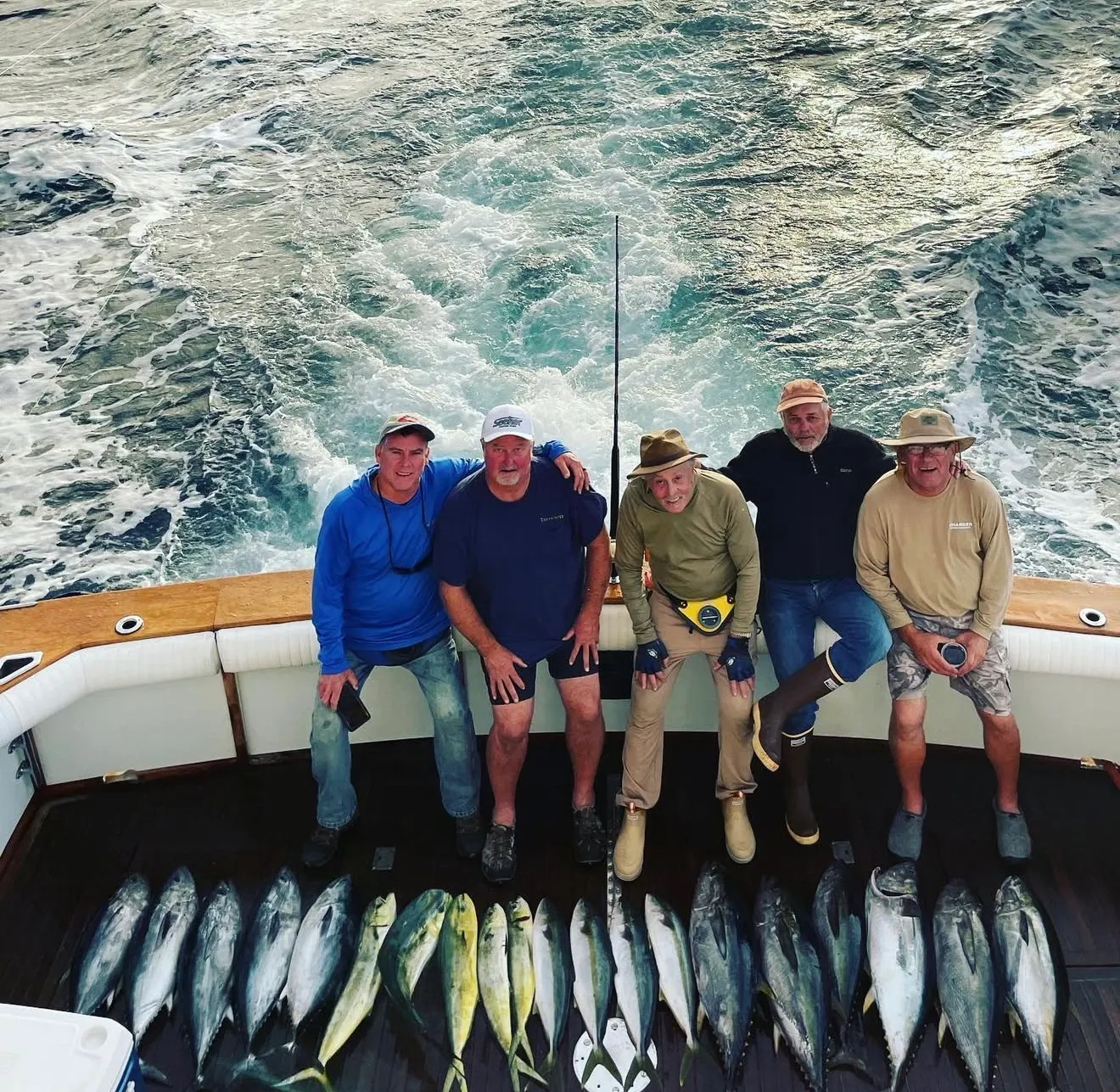
Bluefin tuna fishing in San Diego stands out because of the region’s unique ocean conditions and strategic offshore geography. Nutrient-rich Pacific waters support strong bait populations, which consistently attract bluefin tuna throughout the season. Migration routes pass close to offshore islands, bringing large schools within accessible range of charter boats.
Close proximity to productive areas like the Coronado Islands and offshore banks allows anglers to reach fishing grounds efficiently. Conditions remain suitable for both beginners and experienced anglers, while predictable seasonal runs improve overall catch success and trip reliability.
Best Time for Bluefin Tuna Fishing Around San Diego Island
Best time for bluefin tuna fishing in San Diego generally spans from March through October, with peak action building from summer into early fall. Seasonal changes, water temperature, and bait movement strongly influence tuna behavior and feeding activity.
- Season Window: March to October provides a long and reliable offshore fishing period.
- Early Season (May–June): Migration begins with aggressive feeding and active schools.
- Peak Season (July–August): Consistent bites and higher catch success rates.
- Late Season (September–October): Increased chances of landing larger, trophy-size bluefin.
- Key Factors: Water temperature shifts and bait presence determine fish location and activity.
Top Fishing Spots Around San Diego Island for Bluefin Tuna
San Diego bluefin tuna fishing spots include a range of offshore islands and productive banks where bluefin tuna are commonly found during active migration periods. Each location offers different advantages based on distance, water depth, and fishing conditions, allowing anglers to choose spots that match their experience level and trip goals.
Coronado Islands
This area serves as one of the most reliable zones for locating bluefin during migration. Its proximity makes it a frequent choice for charter trips.
- Migration Route: Acts as a major corridor for passing bluefin schools.
- Accessibility: Quick reach from San Diego-based charters.
- Catch Potential: High success rates during peak season windows.
San Clemente Island
Known for deeper offshore waters, this location is ideal for anglers targeting larger fish on extended trips.
- Water Depth: Features deep offshore waters suitable for tuna movement.
- Target Size: Ideal for anglers seeking larger bluefin.
- Trip Type: Commonly included in longer or overnight trips.
Tanner & Cortez Banks
These offshore banks attract tuna due to strong bait presence and favorable ocean conditions.
- Bait Activity: Known for dense bait concentrations attracting tuna.
- Location Type: Remote offshore banks with strong fishing potential.
- Skill Level: Better suited for experienced anglers and advanced setups.
La Jolla Offshore Waters
A closer-to-shore option that becomes highly productive during strong tuna runs.
- Proximity: Located closer to shore compared to other spots.
- Opportunities: Productive during strong seasonal tuna runs.
- Flexibility: Suitable for shorter trips when conditions align.
Techniques That Work for Bluefin Tuna Fishing
Bluefin tuna fishing techniques require adapting to offshore conditions, tuna behavior, and feeding depth patterns to improve hook-up success and consistency across changing seasonal fishing environments. These are the most effective methods:
- Fly-Lining Live Bait: Allows natural bait movement, increasing chances of attracting feeding bluefin near the surface.
- Kite Fishing: Suspends bait on the surface, specifically targeting large bluefin feeding aggressively in open offshore waters.
- Night Jigging: Uses heavy jigs to reach deep water where bluefin feed actively during nighttime conditions.
- Trolling: Covers wide offshore areas efficiently, helping locate scattered tuna schools during slower feeding periods.
- Technique Matching: Adjusts method based on tuna depth, behavior, and conditions to improve overall fishing success rates.
What to Expect on a Bluefin Tuna Fishing Trip
Deep sea fishing San Diego tuna trip experiences typically range from full-day outings to multi-day offshore runs, depending on fishing conditions and target zones. Travel distances can extend beyond 50 to 100 miles offshore, requiring early departures and careful planning for changing ocean conditions.
High-powered rods and reels are essential due to the strength and speed of bluefin tuna, often resulting in an intense and physically demanding fight. Alongside bluefin, anglers may also encounter species like yellowtail, dorado, and yellowfin, adding variety to the overall offshore fishing experience.
Gear and Preparation for Bluefin Tuna Fishing
Bluefin tuna fishing gear plays a critical role in handling the strength and speed of offshore tuna while ensuring a safe and efficient fishing experience. Proper preparation also helps anglers stay comfortable during long hours at sea and changing ocean conditions.
- Rods and Reels: Heavy-duty setups in the 40–100 lb class handle powerful tuna runs effectively.
- Terminal Tackle: Circle hooks, jigs, and kite rigs support different fishing techniques and conditions.
- Clothing: Layered outfits protect against wind, sun exposure, and sudden temperature changes offshore.
- Seasickness Prep: Motion sickness remedies help beginners stay comfortable during extended offshore trips.
- Charter Equipment: Professionally provided gear ensures reliability, performance, and better overall fishing success.
Common Mistakes to Avoid When Fishing Bluefin Tuna
Bluefin tuna fishing tips often focus on avoiding simple mistakes that can reduce catch success and overall trip efficiency. Awareness and preparation significantly improve offshore fishing outcomes.
- Timing Errors: Booking trips outside peak season reduces the chances of encountering active bluefin schools.
- Tackle Issues: Using incorrect gear strength can lead to lost fish during intense fights.
- Ignoring Guidance: Not following the captain's instructions can affect positioning and reduce hook-up opportunities.
- Travel Misjudgment: Underestimating offshore distance impacts readiness for long and demanding trips.
- Impatience: Lack of patience during slow bite periods often results in missed fishing opportunities.
Why Choose a Charter for Bluefin Tuna Fishing in San Diego
Bluefin tuna charter San Diego options provide a significant advantage by combining local expertise with professional-grade resources. Experienced captains understand seasonal migration patterns, water conditions, and bait movement, allowing them to position anglers in the most productive fishing zones.
Access to advanced fish-finding technology increases the chances of locating active tuna schools quickly, saving valuable time offshore. Charter trips also offer a safer and more efficient experience, with personalized options available for both families and serious anglers seeking targeted bluefin action.
Conclusion
San Diego continues to stand out as a world-class destination for bluefin tuna fishing, offering reliable seasonal runs and access to productive offshore waters. Peak opportunities from summer to early fall provide the best chances for consistent action, especially when combined with proven techniques and well-known fishing hotspots. Careful timing, awareness of ocean conditions, and expert guidance all play a crucial role in improving overall success. Planning each trip based on these factors ensures a more rewarding offshore experience. Book your next adventure with Prenup Sport Fishing Charters and enjoy premium bluefin tuna fishing around San Diego Island.
FAQs
1. When is the peak time of day to catch bluefin tuna in San Diego waters?
Early morning and late evening are typically most productive, as bluefin feed actively during low-light conditions and cooler surface temperatures offshore.
2. Are overnight trips better than full-day trips for bluefin tuna fishing?
Overnight and multi-day trips often provide better results, as they allow access to distant offshore banks and extended fishing during prime feeding windows.
3. What weather conditions are best for bluefin tuna fishing trips?
Stable weather, moderate winds, and calm seas improve fishing conditions, while also making it easier to locate and stay on active tuna schools.
4. Can bluefin tuna be caught year-round near San Diego Island?
Bluefin tuna are seasonal, with consistent availability mainly between spring and fall, depending on ocean temperatures and migration patterns each year.
5. Why is bluefin tuna fishing considered challenging?
Bluefin tuna are powerful, fast, and unpredictable, requiring strong gear, proper technique, and patience to successfully hook, fight, and land them offshore.