/filters:format(jpeg,png)/fit-in/300x300/guide_websites/82105/images/prenuptialagreementsportfishinglogo.png)
/filters:format(jpeg,png)/fit-in/237x80/guide_websites/82105/images/prenuptialagreementsportfishinglogo.png)
Fishing Around San Diego Island for Yellowtail Tuna
%2Ffit-in%2F1000x1000%2Ffilters%3Aformat(webp)%2Fguide_websites%2F82105%2Fimages%2F1769463250172img_4242.jpeg&w=1920&q=75)
Published: April 21, 2026
San Diego offers one of the most exciting offshore experiences for anglers targeting powerful and fast-moving species in the Pacific. San Diego yellowtail tuna fishing attracts beginners and seasoned fishermen alike due to its accessibility, productive waters, and consistent seasonal runs. Nutrient-rich currents and abundant baitfish create ideal conditions around nearby islands and offshore banks. Every trip brings a mix of strategy and thrill, as yellowtail tests both skill and endurance. Choosing the right time, location, and technique can significantly improve success and turn a regular outing into a memorable fishing adventure.
Why San Diego Island is a Prime Yellowtail Tuna Destination
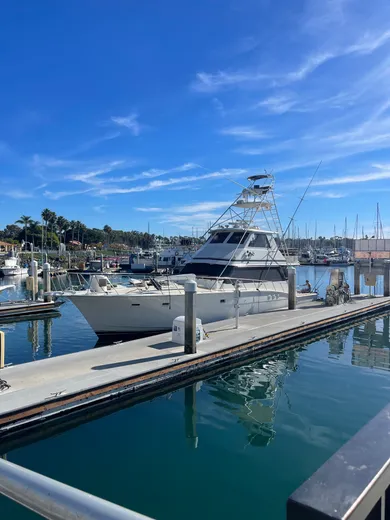
San Diego has built a strong reputation as a historic tuna fishing capital, attracting anglers from across the coast. San Diego yellowtail tuna fishing continues to thrive due to favorable ocean conditions and a long-standing offshore fishing culture.
Nutrient-rich Pacific currents concentrate baitfish around offshore banks, kelp paddies, and nearby islands, creating reliable feeding zones. Easy access to these productive areas makes the destination suitable for beginners while still offering consistent action for experienced anglers.
Yellowtail Tuna vs Yellowfin Tuna: Know What You’re Targeting
Many anglers confuse species when discussing yellowtail vs yellowfin tuna in California, but they are distinctly different. Yellowtail are technically amberjack found near structure, while yellowfin tuna are true tuna that roam open offshore waters.
- Size and Fight Style: Yellowfin grow larger and deliver long, fast runs in open water, while yellowtail fight aggressively with shorter, powerful bursts near structure.
- Habitat and Depth: Yellowtail stay around reefs, kelp paddies, and islands, whereas yellowfin prefer deeper offshore zones and open ocean conditions.
- Fishing Methods: Yellowtail respond well to live bait and jigging, while yellowfin are commonly targeted using trolling, chumming, and offshore bait techniques.
Best Time for Yellowtail Tuna Fishing Around San Diego
Understanding the best time for tuna fishing in San Diego helps anglers plan more productive trips and improve catch rates.
Peak Season Overview
Yellowtail tuna activity increases from late spring through early fall, typically May to September, when ocean conditions stabilize, and food sources become abundant. This period offers consistent offshore opportunities with higher chances of locating active and aggressive feeding schools.
Peak Activity Months
The most productive window runs from June to September, when warmer water temperatures attract dense baitfish schools. Increased feeding behavior during these months makes yellowtail more responsive to bait and lures, improving hook-up rates for anglers offshore.
Key Environmental Factors
Water temperature and ocean currents strongly influence yellowtail movement, as warm currents bring baitfish closer to the surface. Migration patterns follow these food sources, creating predictable fishing zones where anglers can target schools with greater accuracy.
Shoulder Season Opportunities
April and October can still produce results for experienced anglers who understand shifting conditions. Fish may be less concentrated, but adapting techniques and exploring deeper or less pressured areas can still lead to successful yellowtail catches.
Top Offshore Spots Near San Diego Island for Yellowtail
When planning San Diego offshore fishing for yellowtail, choosing the right location plays a major role in success, as yellowtail are strongly influenced by structure, bait concentration, and ocean conditions.
- Coronado Islands: These islands provide rocky structure and kelp beds that attract baitfish, making them a consistent hotspot for yellowtail feeding activity close to the border waters.
- La Jolla Canyon: Deep underwater canyons create natural feeding zones where currents push nutrients upward, concentrating bait and drawing yellowtail into accessible nearshore areas.
- San Clemente Island: This offshore island offers a mix of reefs, drop-offs, and current zones, creating ideal conditions for holding larger schools of yellowtail throughout the season.
- Offshore Kelp Paddies: Floating kelp acts as a natural habitat for baitfish, and yellowtail often patrol these areas looking for easy feeding opportunities in open water.
- Temperature Breaks and Current Edges: Areas where water temperatures shift or currents meet create feeding lanes, as baitfish gather in these zones, attracting active and fast-moving yellowtail.
These locations consistently hold fish because underwater structure provides shelter, bait presence ensures food availability, and steady current flow helps concentrate both prey and predators in predictable offshore zones.
Proven Techniques to Catch Yellowtail Tuna
Applying effective yellowtail fishing techniques pacific ocean requires understanding how yellowtail respond to changing ocean conditions, bait movement, and depth. Choosing the right method at the right time can significantly improve hook-up rates and overall success offshore.
Live bait fishing using sardines and mackerel remains one of the most reliable approaches, especially around kelp paddies and structure where yellowtail actively hunt. Natural movement and presentation play a key role in triggering strikes in these zones.
Yo-yo jigging is ideal when fish are holding deeper in the water column, allowing anglers to reach schools below the surface with fast vertical retrieves. Surface iron casting becomes effective during feeding frenzies, particularly when yellowtail are chasing bait near the surface.
Trolling helps locate moving schools by covering large offshore areas, after which anglers can switch to more precise techniques. Adapting methods based on fish behavior, depth, and activity levels is essential for consistent success.
Essential Gear for Offshore Yellowtail Fishing
Using the right setup is key when learning how to catch yellowtail tuna in California, as these fish demand strength, control, and reliability in offshore conditions.
- Medium-heavy offshore rods for strength
- High-speed reels for better control
- 40–80 lb braided line durability
- Strong hooks for secure hook-ups
- Jigs for multi-depth targeting
- Smooth drag systems prevent line breaks
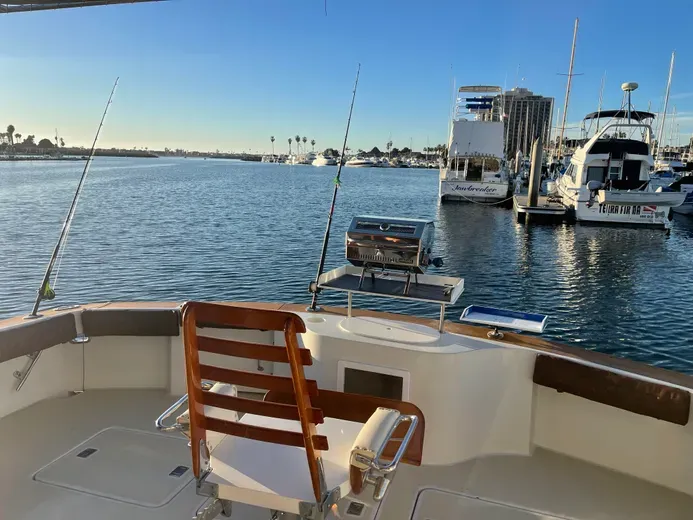
Many sportfishing charters provide quality gear, allowing beginners to fish effectively without investing in equipment while ensuring safety and performance offshore.
San Diego Tuna Fishing Tips for Better Catch Rates
Using practical San Diego tuna fishing tips can significantly improve your chances of locating and catching active yellowtail offshore.
- Follow Bird Activity: Birds diving or circling often signal bait schools below, which usually means tuna are feeding in that area.
- Fish Early Morning: Early hours bring higher feeding activity, increasing the chances of aggressive strikes and better catch rates.
- Watch Water Temperature Breaks: Tuna follow warm currents, and temperature changes often indicate productive fishing zones.
- Trust Your Captain: Local knowledge helps identify active spots, saving time and improving overall success offshore.
- Stay Mobile Offshore: Tuna move constantly, so adjusting location and staying flexible is key to finding active schools.
Choosing the Right Sportfishing Charter in San Diego
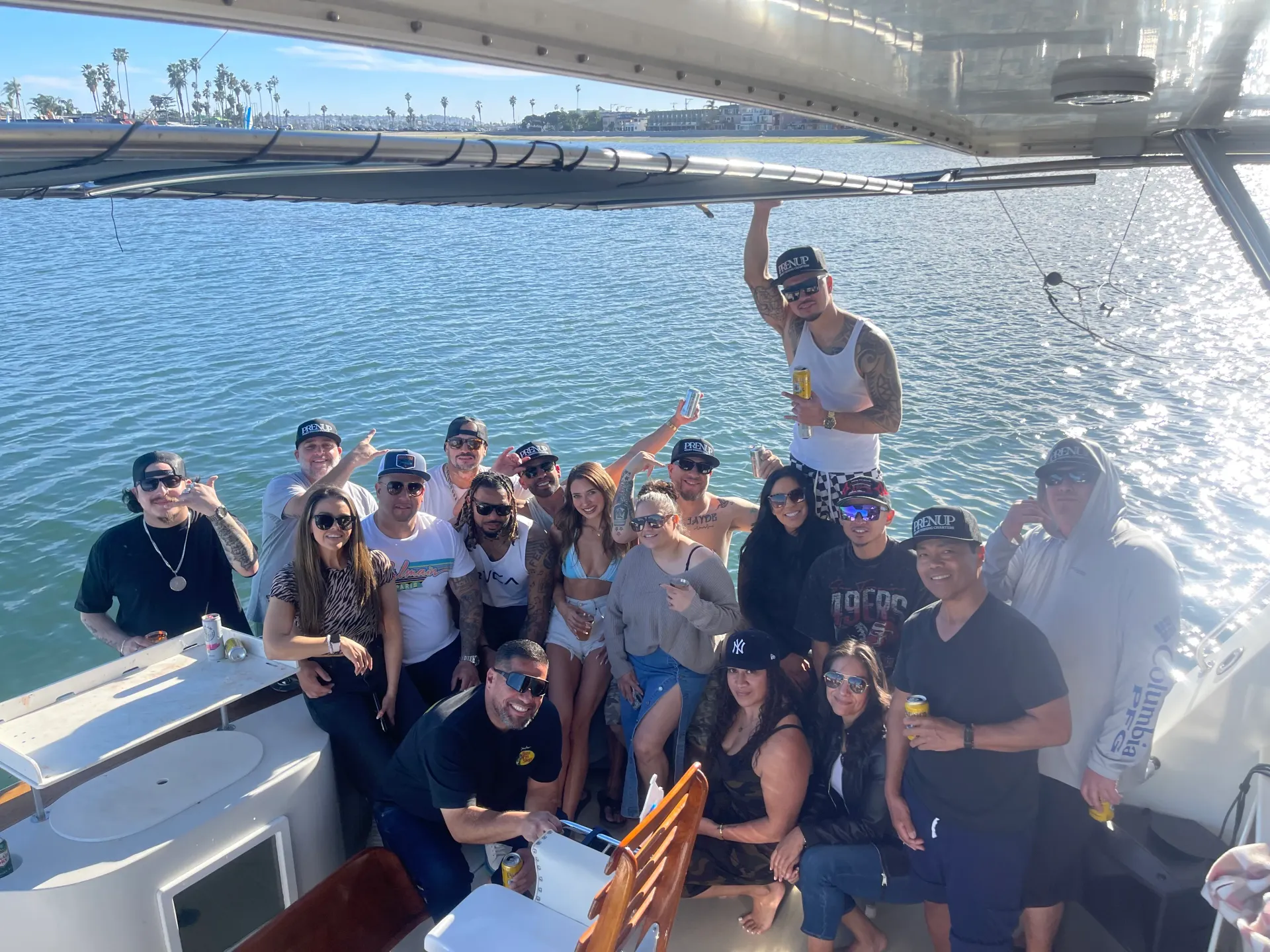
Selecting from the best San Diego sportfishing charters tuna options ensures a safer and more productive offshore experience. Guided charters provide valuable local knowledge, helping anglers locate active fish quickly while offering all necessary equipment for convenience. Safety is also a major advantage when heading offshore. Options range from half-day trips for quick outings to multi-day adventures for deeper waters, with many charters designed to accommodate beginners and provide hands-on guidance throughout the trip.
What to Expect on a Yellowtail Tuna Fishing Trip
Planning for deep-sea fishing in San Diego tuna helps set realistic expectations before heading offshore. Trip duration can range from half-day outings to multi-day expeditions, depending on how far anglers travel in search of active fish. Offshore travel time may vary, often requiring patience before reaching productive zones.
Yellowtail fishing involves a physical challenge, as these fish are strong and require effort to land. Proper catch handling and onboard storage ensure freshness after landing. Anglers must also carry a valid California fishing license, as regulations apply to all offshore fishing activities.
Conclusion
San Diego stands out as a top-tier destination for yellowtail tuna fishing, offering consistent action, diverse offshore hotspots, and favorable ocean conditions. Summer remains the peak season, delivering the best chances of success when combined with proven techniques like live bait fishing, jigging, and trolling. Locations such as offshore islands, kelp paddies, and current breaks continue to produce reliable results. Matching your trip timing with your skill level can greatly improve the overall experience. Book your next adventure with Prenup Sport Fishing Charters and explore the full potential of San Diego’s offshore fishing opportunities.
FAQs
1. What time of day is best for yellowtail tuna?
Early morning and late afternoon provide the best chances, as yellowtail are more active and aggressively feeding during low light periods.
2. Do yellowtail tuna stay in one area?
Yellowtail move constantly based on bait presence, water temperature, and currents, so anglers must adjust locations to find active schools.
3. Can beginners catch yellowtail tuna?
Beginners can catch yellowtail successfully with guided charters, as they provide proper equipment, instructions, and help locate productive fishing areas.
4. What size yellowtail are common?
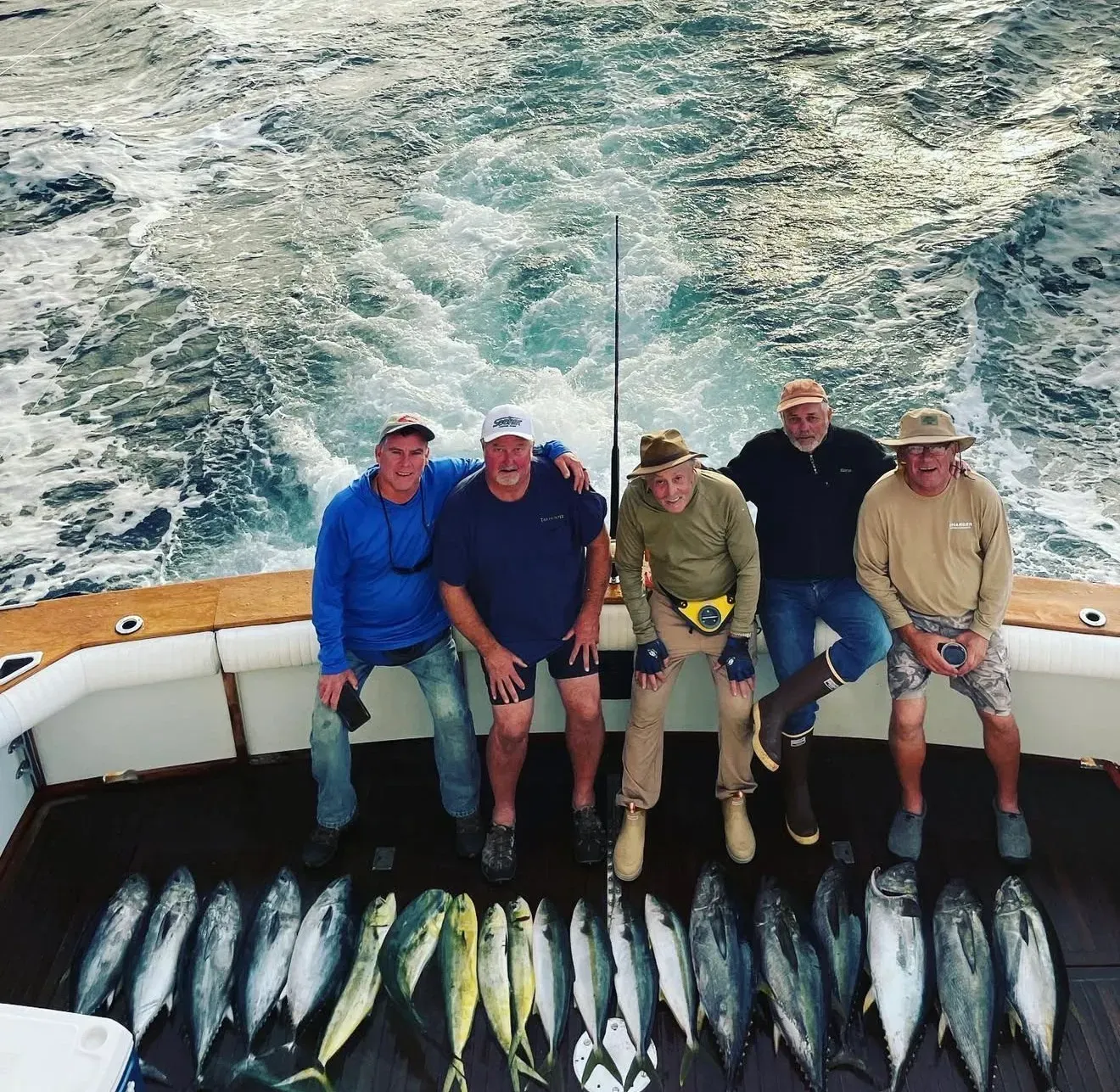
Most yellowtail caught near the San Diego range between 10 and 30 pounds, though larger fish can appear during peak offshore conditions.
5. Are lures effective for yellowtail fishing?
Artificial lures like jigs and surface irons are effective, especially when yellowtail are actively feeding near the surface or chasing baitfish.